-
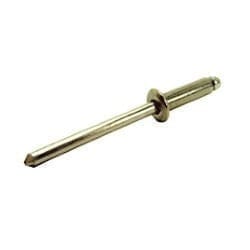
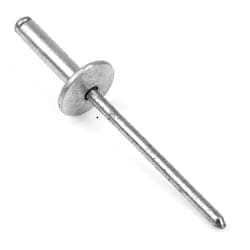
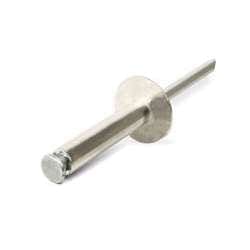
 Thin sheets of metal, plastic, or other materials can be clamped together from one side, by means of blind rivets, better known as pop rivets. A tubular rivet is inserted in a hole which is drilled onto two sheets. It is then clinched by withdrawing a nail found inside the rivet. These fasteners are installed with a manual, pneumatic or electric rivet gun, to connect metal and other pieces together. These rivets are common in use both in industry, and by the DIY. Their head is made of aluminium, and they have a steel nail. Since they do not have any uncommon features, they can be found in many lengths,and diameters, and tend to be rather economical. Multitrade ensures that such rivets are regularly held in stock.
 -
 Thin sheets of metal, plastic, or other materials can be clamped together from one side, by means of blind rivets, better known as pop rivets. A tubular rivet is inserted in a hole which is drilled onto two sheets. It is then clinched by withdrawing a nail found inside the rivet. These fasteners are installed with a manual, pneumatic or electric rivet gun, to connect metal and other pieces together. These rivets are common in use both in industry, and by the DIY. Their head is made of aluminium, and they have a steel nail. Since they do not have any uncommon features, they can be found in many lengths,and diameters, and tend to be rather economical. Multitrade ensures that such rivets are regularly held in stock.
 -
Thin sheets of metal, plastic, or other materials can be clamped together from one side, by means of blind rivets, better known as pop rivets. A tubular rivet is inserted in a hole which is drilled onto two sheets. It is then clinched by withdrawing a nail found inside the rivet. These fasteners are installed with a manual, pneumatic or electric rivet gun, to connect metal and other pieces together. These rivets are common in use both in industry, and by the DIY. Their head is made of aluminium, and they have a steel nail. Since they do not have any uncommon features, they can be found in many lengths, and diameters, and tend to be rather economical. Multitrade ensures that such rivets are regularly held in stock.
-
Thin sheets of metal, plastic, or other materials can be clamped together from one side, by means of blind rivets, better known as pop rivets. A tubular rivet is inserted in a hole which is drilled onto two sheets. It is then clinched by withdrawing a nail found inside the rivet. These fasteners are installed with a manual, pneumatic or electric rivet gun, to connect metal and other pieces together. These rivets are common in use both in industry, and by the DIY. Their head is made of aluminium, and they have a steel nail. Since they do not have any uncommon features, they can be found in many lengths, and diameters, and tend to be rather economical. Multitrade ensures that such rivets are regularly held in stock.
-
Thin sheets of metal, plastic, or other materials can be clamped together from one side, by means of blind rivets, better known as pop rivets. A tubular rivet is inserted in a hole which is drilled onto two sheets. It is then clinched by withdrawing a nail found inside the rivet. These fasteners are installed with a manual, pneumatic or electric rivet gun, to connect metal and other pieces together. These rivets are common in use both in industry, and by the DIY. Their head is made of aluminium, and they have a steel nail. Since they do not have any uncommon features, they can be found in many lengths, and diameters, and tend to be rather economical. Multitrade ensures that such rivets are regularly held in stock.
-
Thin sheets of metal, plastic, or other materials can be clamped together from one side, by means of blind rivets, better known as pop rivets. A tubular rivet is inserted in a hole which is drilled onto two sheets. It is then clinched by withdrawing a nail found inside the rivet. These fasteners are installed with a manual, pneumatic or electric rivet gun, to connect metal and other pieces together. Closed-end rivets are different from others, because their nail does not go right through the head. Its nail is soldered on to the inside of the head so as not perforate the end of the head. As a matter of fact, a hole is not left behind, when the nail is drawn. These rivets are mostly used in jobs where air and water are prevented from getting through.
-
Thin sheets of metal, plastic, or other materials can be clamped together from one side, by means of blind rivets, better known as pop rivets. A tubular rivet is inserted in a hole which is drilled onto two sheets. It is then clinched by withdrawing a nail found inside the rivet. These fasteners are installed with a manual, pneumatic or electric rivet gun, to connect metal and other pieces together. These rivets are common in use both in industry, and by the DIY. Their head is made of aluminium, and they have a steel nail. Since they do not have any uncommon features, they can be found in many lengths, and diameters, and tend to be rather economical. Multitrade ensures that such rivets are regularly held in stock.
-
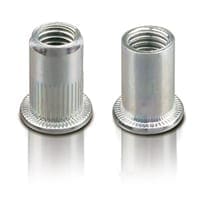
A rivet nut, also known as a blind nut or nut-sert, is a one-piece internally threaded and counter-bored tubular rivet that can be anchored completely from one side. This sort of rivet has various uses. It is widely used in the the motor car and carriage trade, where it is found attached to steel plates, on to which other parts are screwed. In Malta it has also been used on horse drawn carts. Multitrade ensures that such rivets are regularly held in stock.
-
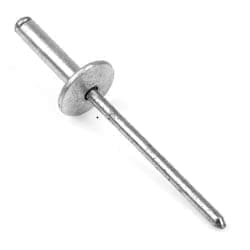
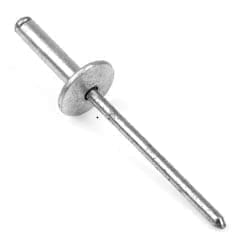
Thin sheets of metal, plastic, or other materials can be clamped together from one side, by means of blind rivets, better known as pop rivets. A tubular rivet is inserted in a hole which is drilled onto two sheets. It is then clinched by withdrawing a nail found inside the rivet. These fasteners are installed with a manual, pneumatic or electric rivet gun, to connect metal and other pieces together. The plate diameter of some pop rivets, is larger than that of others. These rivets do not easily go through the surface of the material which is being clamped. In fact, the pop rivets with an extra large head are used to tie on materials such as leather and canvas. Their code starts with TL, meaning Testa Larga, in Italian.
-
Thin sheets of metal, plastic, or other materials can be clamped together from one side, by means of blind rivets, better known as pop rivets. A tubular rivet is inserted in a hole which is drilled onto two sheets. It is then clinched by withdrawing a nail found inside the rivet. These fasteners are installed with a manual, pneumatic or electric rivet gun, to connect metal and other pieces together. The plate diameter of some pop rivets, is larger than that of others. These rivets do not easily go through the surface of the material which is being clamped. In fact, the pop rivets with an extra large head are used to tie on materials such as leather and canvas. Their code starts with TL, meaning Testa Larga, in Italian.
-
Thin sheets of metal, plastic, or other materials can be clamped together from one side, by means of blind rivets, better known as pop rivets. A tubular rivet is inserted in a hole which is drilled onto two sheets. It is then clinched by withdrawing a nail found inside the rivet. These fasteners are installed with a manual, pneumatic or electric rivet gun, to connect metal and other pieces together. The plate diameter of some pop rivets, is larger than that of others. These rivets do not easily go through the surface of the material which is being clamped. In fact, the pop rivets with an extra large head are used to tie on materials such as leather and canvas. Their code starts with TL, meaning Testa Larga, in Italian.